Gagne, Scherer & Associates: Worldwide Court-Martial Defense
50+ Years of Combined Experience in Military Law
The attorneys of Gagne, Scherer & Associates are former JAGs who have defended service members in courts-martial and military criminal investigations for more than two decades. We cover the full range of “covered” offenses prosecuted by the Office of Special Trial Counsel: Article 120 rape and sexual assault, Article 120b rape and sexual assault of a child, Article 119b child endangerment, Article 128b domestic violence, and Article 134 child pornography, and all other military cases arising under the UCMJ.
In the military justice system, the key moment of a covered offense case is when the Office of Special Trial Counsel decides to go forward to a court-martial or defer the case to the command for a lower form of resolution. OSTC is judged by its success rate at trial, so its prosecutors are typically only interested in the strongest cases, covered offenses that have solid corroboration, and will defer the rest. The days of lawyering up and saving your best defenses, hoping to surprise the government at trial, are long gone. Defense attorneys need to get involved early and often to try to influence OSTC’s decision. Unfortunately, most civilian and appointed defense attorneys still do it the old-fashioned way and their clients pay the price for it.
People often ask if hiring an attorney during an investigation will make them look guilty. If you’re under investigation, the government already thinks you’re guilty. Hiring a lawyer doesn’t make things worse for you; it gives you someone who can answer your questions and push back while the case is being built and there’s still time to avoid charges. If you already have court-martial charges, don’t worry about what other people think. Get help.
Gagne, Scherer & Associates Practice Areas
Gagne, Scherer & Associates specializes in the most serious UCMJ charges: Article 120 rape and sexual assault, Article 120b child sex offenses, Article 134 child pornography, Article 117a intimate image recording and distribution, Article 120c other sexual misconduct, and Article 128b domestic violence. Once hired, we jump into the case immediately, getting favorable evidence to OSTC before the charging decision. We influence the trajectory of the case, whether it’s handled by the command and base legal office or stays with OSTC.
Article 120: Rape and Sexual Assault
Many Article 120 cases are alcohol-related or “he said/she said.” OSTC defers those credibility contests and keeps cases with corroboration: DNA, texts, confessions, medical evidence. Military sexual assault cases are often charged under 120(b)(3)(A) (incapable of consenting) or 120(b)(2) (without consent). Allegations of abusive sexual contact also fall under Article 120. Most defense counsel hide until charges are preferred, ensuring the case goes forward, costs more, and exposes the client to needless risk, but Gagne, Scherer & Associates intervenes quickly and shares exculpatory evidence to derail the case before OSTC’s preferral decision.
Article 120b: Sexual Assault of a Child
Article 120b covers the offenses of rape, sexual assault, and sexual abuse of a child under 16. Consent isn’t a defense, but mistake of fact as to age, an honest and reasonable belief that the child was at least 16, might apply in borderline cases. OSTC prioritizes child cases and almost always takes them to a general court-martial. Child testimony, forensic interviews, text exchanges, and medical findings all have potential to create reasonable doubt. Using a number of forensic experts to develop defenses for trial, Gagne, Scherer & Associates targets the reliability of every aspect of the investigation.
Article 134: Child Pornography
Most military CSAM cases begin with a service provider tip or ICAC task-force lead. OSTC typically charges possession and viewing together and adds a distribution allegation whenever the evidence supports it. Texting with a minor will often lead to a production charge as well. Sextortion and AI-generated CSAM cases are increasingly common in military justice. OSTC typically keeps CSAM cases, so the Article 32 preliminary hearing is often the most important stage: it’s the first chance for defense attorneys to review evidence, develop defenses, create negotiation leverage, and give OSTC reasons to drop or defer the case.
Article 117a: Wrongful Distribution
Article 117a targets the wrongful broadcast or distribution of intimate images originally created with consent. Sex pics and videos. This covers “bro stuff” and revenge-porn cases where a service member shares or posts sexual content without the other person’s permission. It doesn’t matter whether the victim took the image and sent it to the accused. Once the private file is distributed without consent and with the intent to hurt or humiliate, or for some sexual purpose, that’s a crime. OSTC defers some of these cases but keeps the more egregious ones. A conviction under Article 117a requires sex-offender registration.
Article 120c: Sexual Misconduct
Under Article 120c, “other” criminal sexual misconduct often involves indecent viewing, indecent recording, broadcasting those recordings, and indecent exposure (peeping, hidden camera recordings, and dick pics). The prosecution has to prove the accused knew what he was doing, the other person never agreed to it, and it was an invasion of privacy. Article 120c covers recordings or images made without consent (peeping Tom or covert recordings), while images created with consent but distributed without consent fall under Article 117a (sharing sexual files meant for your eyes only). As with 117a, a 120c conviction will require sex-offender registration.
Article 128b: Domestic Violence
Article 128b is the military’s domestic-violence law. It covers violent acts, threats, protective-order violations, and strangulation committed against a spouse, intimate partner, or immediate family member. OSTC has exclusive authority over these cases. A conviction adds three years of additional potential jail time to the underlying offense and bars you from ever owning firearms. Family Advocacy Program (FAP) will open its own case and pressure you to talk, assuring you it’s not a criminal investigation, but anything you say to them will be used against you in your UCMJ case. They can’t make you talk and you shouldn’t.
Court-Martial Defense Across All Branches and Installations
We represent active duty, reserve, and guard personnel of all ranks and all branches at installations across the United States and overseas, such as Hurlburt Field, JBER, Peterson Space Force Base; Norfolk Naval Station, Naval Base San Diego, and Naval Air Station Sigonella; Camp Pendleton, Camp Lejeune, and Okinawa; Fort Bliss, Fort Drum, and Camp Humphreys; and Coast Guard bases in Charleston, Alameda, and New Orleans.

Direct Attorney Access and Fee Transparency
When you hire Gagne, Scherer & Associates you deal only with Keith Scherer and Greg Gagne. We don’t use calendar gatekeeping, chatbots, or call screeners. From the first conversation until the end of your case, you’ll work directly with the two of us. We also believe in cost transparency: Gagne, Scherer & Associates uses flat fees only and doesn’t hide additional costs in fine print. The firm also publishes its fees on the website, while other firms refuse to let you know the cost of their services until they’ve sized you up. Clients prefer us because they work directly with the lawyers and never get ambushed by the bill.
“Most defense counsel lie low until charges come and save their best evidence for trial. We don’t. We intervene the same day we’re hired, get the winning evidence to OSTC so they can drop or defer the case, and have a history of succeeding with tactics other lawyers are afraid to try.”
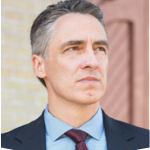
Keith Scherer
Gagne, Scherer & Associates
Our Team of Civilian Military Attorneys Defends Members of The Armed Forces
When the military accuses you of a crime, you need lawyers who already know how investigators and prosecutors will build the case and where it can be attacked. Every attorney at Gagne, Scherer & Associates is a former JAG prosecutor and has spent over 20 years defending military members. We represent active-duty, reserve, and guard members of every rank and branch, at bases across the United States and overseas. Sexual assault, child-sex offenses, CSAM, domestic violence, child endangerment, drug cases: whatever the UCMJ allegation is, we know what to do. From the day you hire us, we intervene and start advocating for you. We don’t wait until you get charged before getting started. We try to avoid charges ever happening in the first place.
UCMJ Defense FAQs
What benefit does hiring a former JAG give my case?
A former Judge Advocate General’s Corps (JAG) officer brings more experience than appointed military defense counsel and, unlike a civilian attorney who has never served, knows the rules, procedures, and customs of a military courtroom. Military courts are far more professional than state or federal courts, and the antics civilian lawyers get away with in their own courtrooms don’t work in front of a military judge or panel. Understanding military culture helps an attorney connect with panel members and know which arguments will persuade them and which won’t. It also helps to have a civilian attorney who can project a military image, understand rank, culture, and protocol, and avoid alienating a panel by treating the courtroom like a civilian proceeding.
What can a civilian defense attorney do for me during a military criminal investigation?
A civilian defense attorney can get involved early because, in practice, appointed military counsel give only initial intake advice: invoke your rights and check back if charges are preferred. Appointed defense lawyers carry heavy loads of walk-ins, administrative boards, reprimands, pending trials, and mandatory physical and military training, giving them an excuse to stay hands-off during an investigation. Waiting to act only after charges are preferred is a mistake, yet many civilian attorneys charge thousands of dollars for the same useless, hands-off advice. In the Office of Special Trial Counsel (OSTC) era, a successful defense requires more than waiting. It requires the defense attorney to do real work.
Can a civilian lawyer legitimately claim a 90% court-martial acquittal rate?
No, an advertised 90% “acquittal rate” is fiction that military lawyers don’t take seriously. Even if an attorney somehow hit that percentage, it would mean the attorney’s just cherry-picking socially acceptable cases and abandoning service members who face toxic accusations. A 90% “acquittal” rate is meant to imply that nine out of ten clients walked away cleared of all charges. Most civilian military firms don’t make these claims, but they’ll often inflate their credentials using a related gimmick: “redefining victory” through vague “success rates” or “favorable outcomes.”
How much does it cost to hire a civilian military defense lawyer?
The cost of hiring a civilian military defense attorney depends on the firm and the stage of the case. Gagne, Scherer & Associates publishes flat, fixed fees: $6,500 for the investigative phase; $10,000 to $12,000 for an Article 32 preliminary hearing; $15,000 to $20,000 for an administrative separation board; and $25,000 for a general court-martial trial. Other firms tend not to publish their fees. Based on reports Gagne, Scherer & Associates receives, some firms require fees totaling more than $75,000 or $100,000, while others tack on a daily rate for travel days, charge extra for trials that run longer than scheduled, add a separate charge for long days in court (anything past 8 hours, counted from leaving the hotel to getting back), and add surcharges for undesirable locations.
What should I do if I’m under military investigation for sexual assault?
Get an attorney involved as early as possible. Don’t make a statement to investigators. Don’t communicate with the alleged victim or anyone connected to the allegation. Don’t try to gather evidence on your own. Tell your family what’s happening so they can help you evaluate your options, including hiring civilian defense counsel, before charges are preferred.
What kinds of cases does Gagne, Scherer & Associates handle?
Gagne, Scherer & Associates handles every category of criminal investigation and court-martial under the Uniform Code of Military Justice (UCMJ), as well as nonjudicial punishment and administrative separations. The firm’s practice is concentrated in the cases that threaten the most severe consequences: Article 120 sexual assault, Article 120b rape and sexual assault of a child, Article 120c other sexual misconduct (most often unlawful intimate recordings), Article 117a wrongful broadcast or distribution of intimate visual images, Article 134 child pornography, Article 128b domestic violence, Article 119b child endangerment, Article 118 murder, Article 119 manslaughter, Article 112a drug offenses, and Article 133 conduct unbecoming an officer.
Free Confidential Consultation
We represent active duty, reserve, and active guard personnel only. We do not handle any veterans issues, requests to upgrade discharges, or matters related to family law. If you’re OCONUS and would rather use WhatsApp or Signal, message us at (224) 935-6172 on either app.